Developing physics-informed deep learning models to generate scanner-agnostic, quantitative mono-energetic images from multi-energy photon-counting CT images.
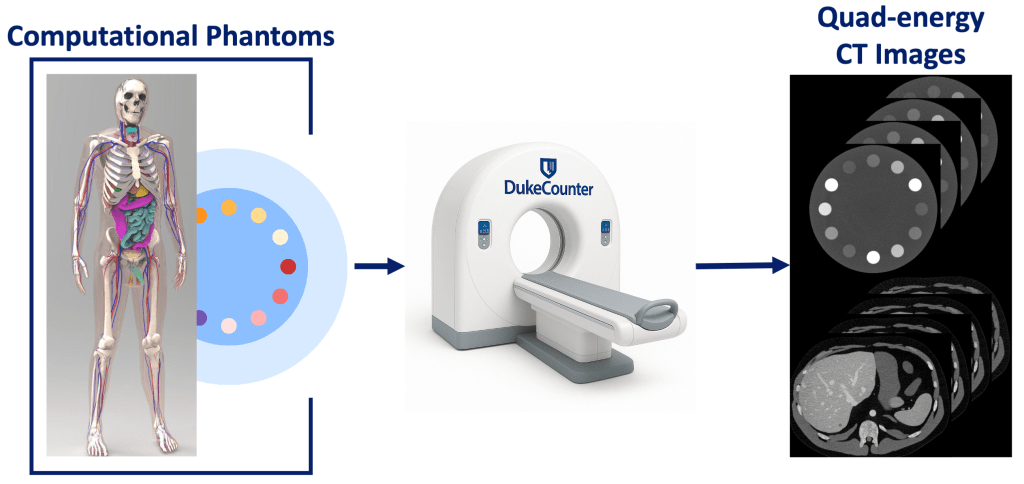
Multi-energy CT Image Data Acquisition
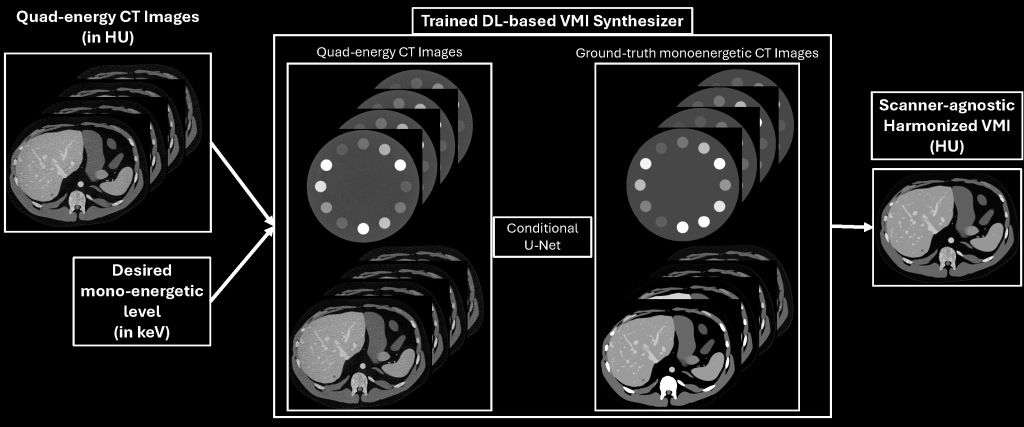
Deep Learning Framework
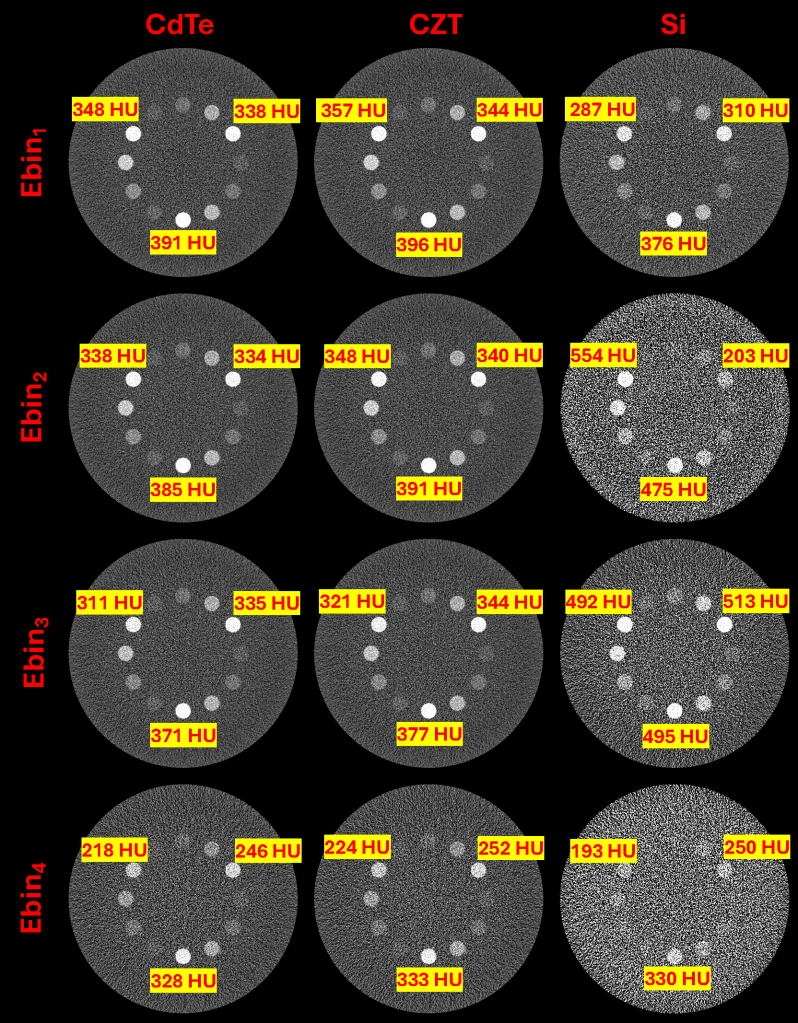
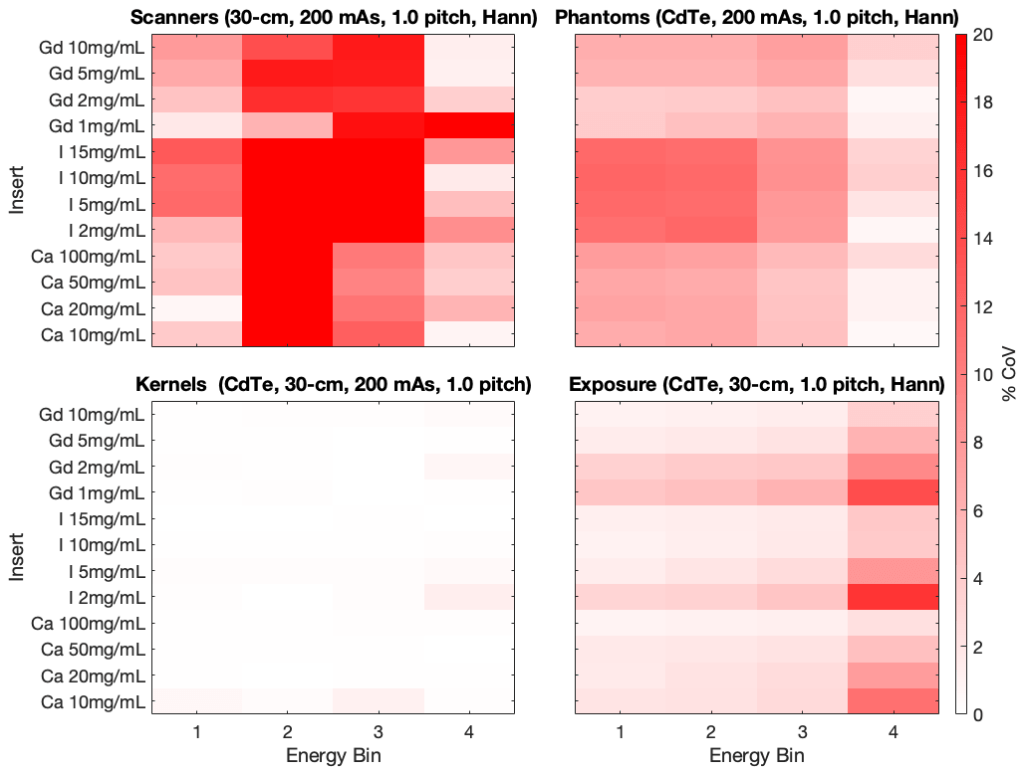
Problem – Higher Cross-Scanner Variability
Reconstructed 35 – 85 keV Mono-Energetic Images
Ground-truth References

(20-cm cylindrical phantom)

(30-cm cylindrical phantom)
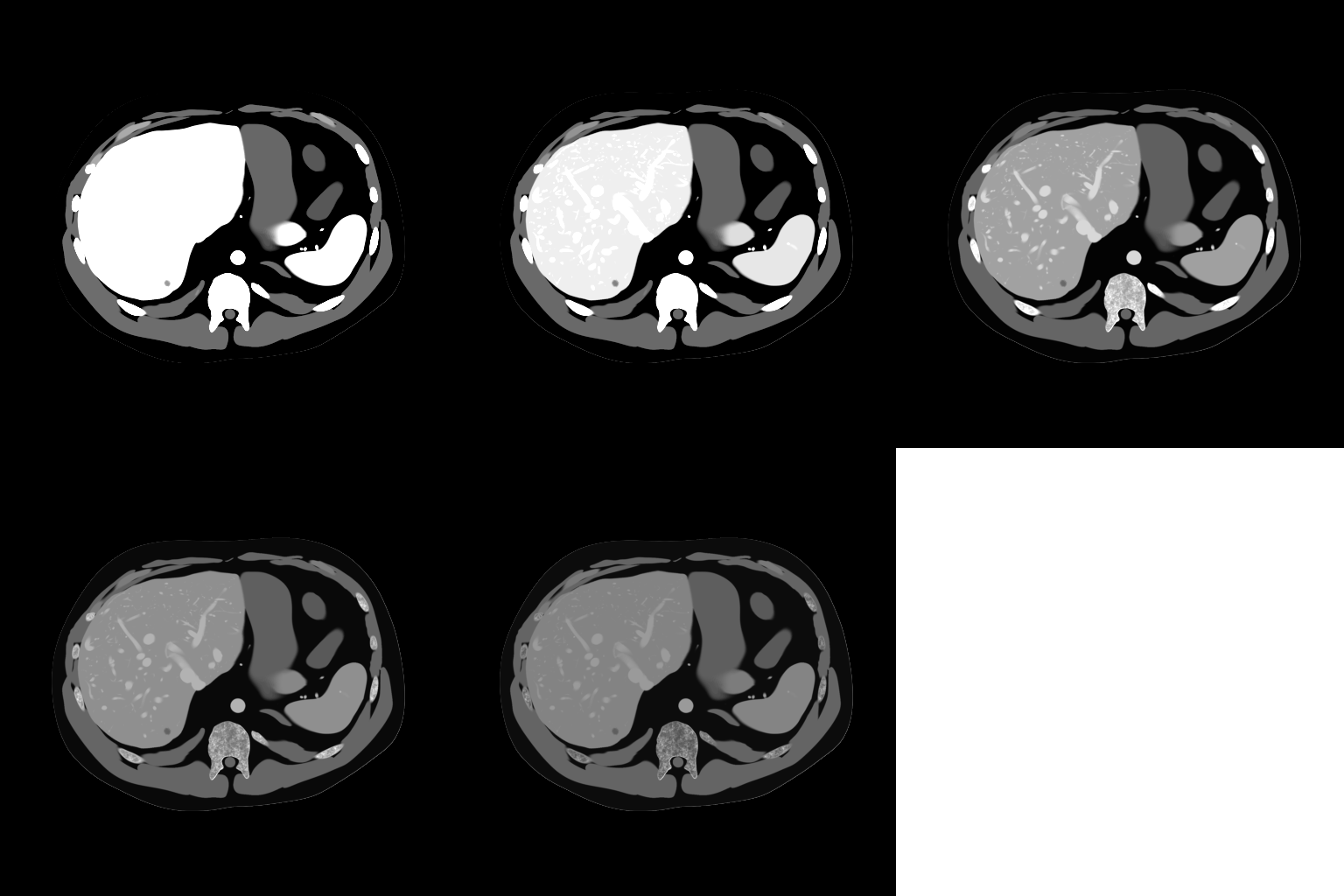
(digital human)
Conventional Physics-based Mono-Energetic Images
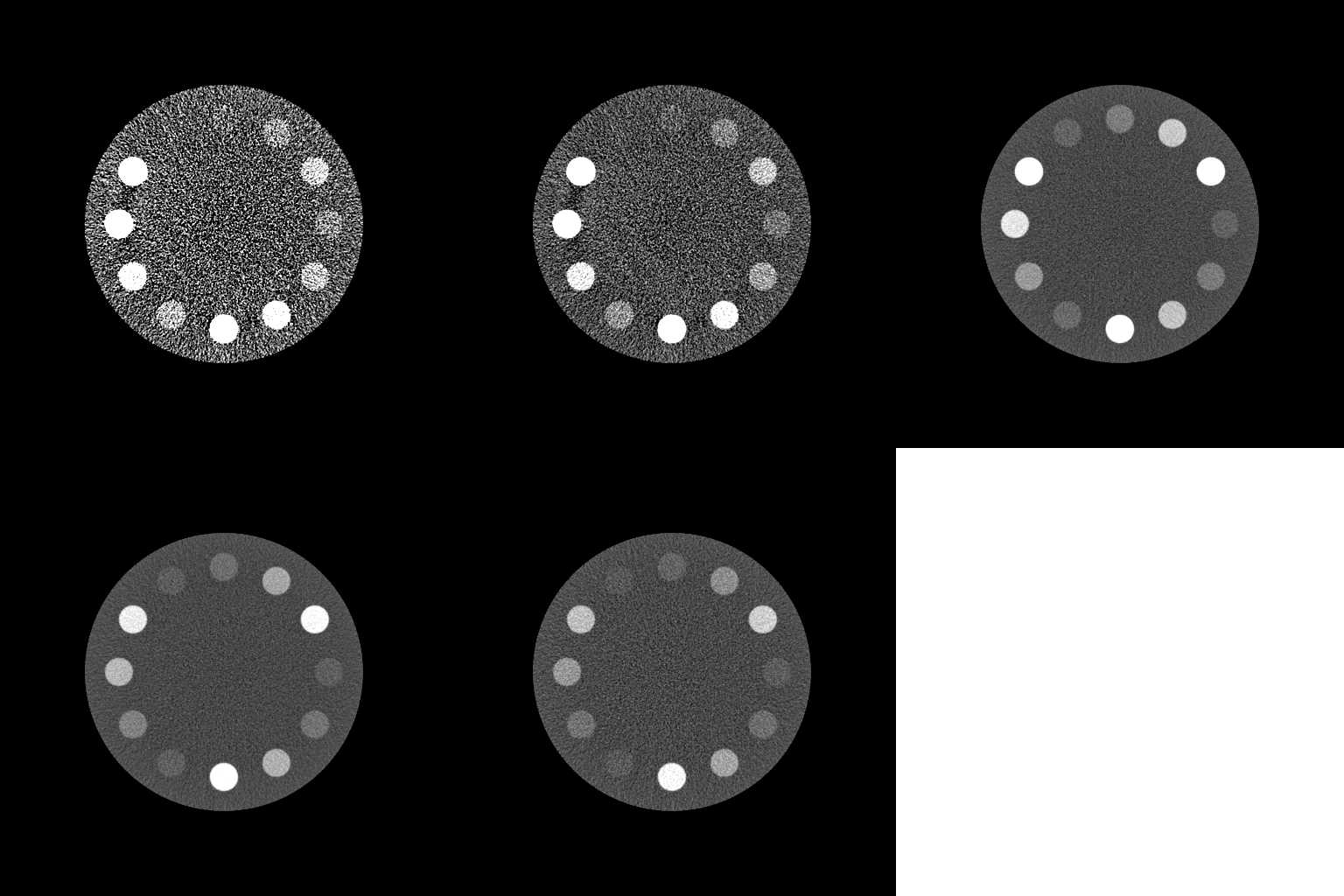
(20-cm cylindrical phantom)
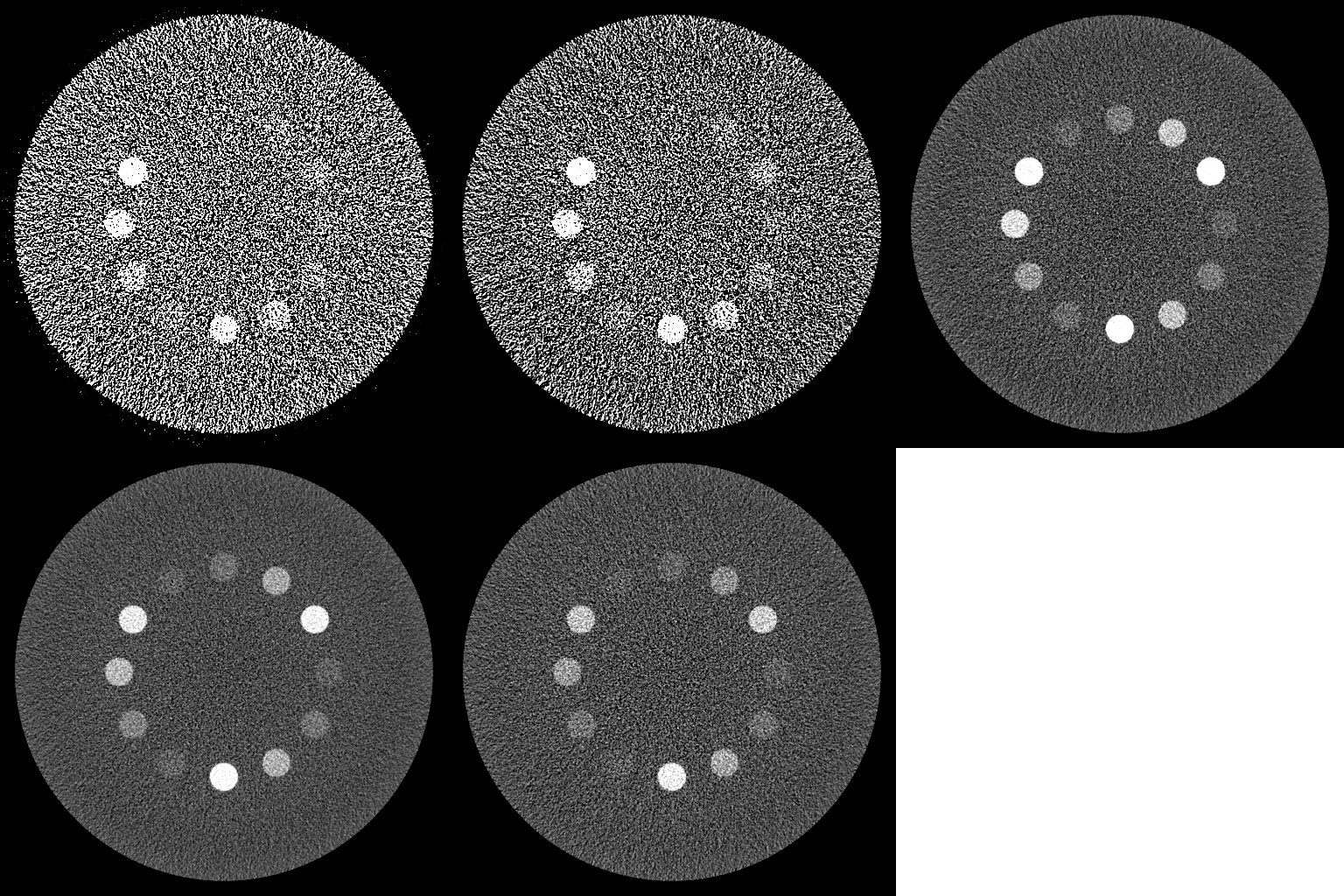
(30-cm cylindrical phantom)
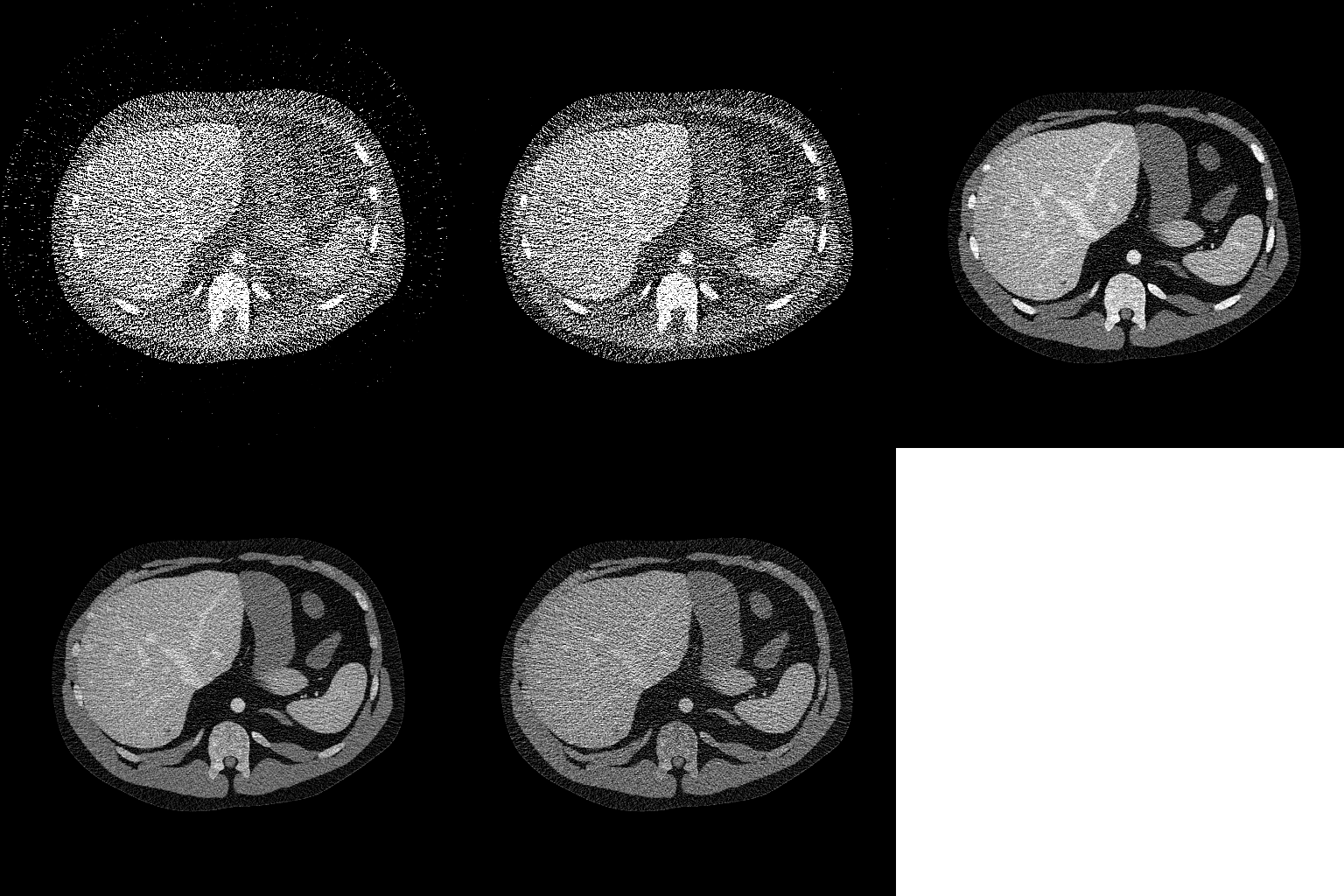
(digital human)
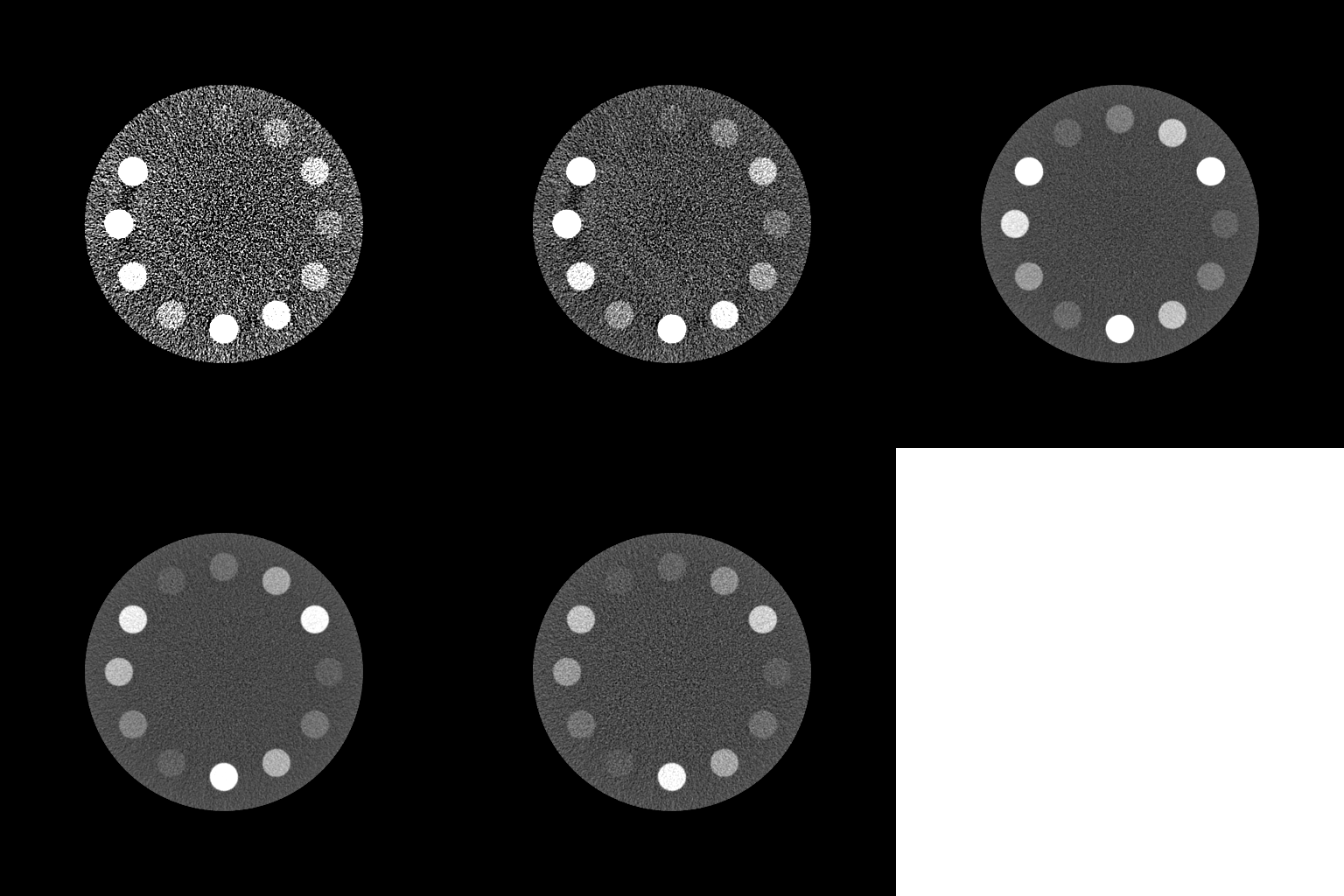
(20-cm cylindrical phantom)
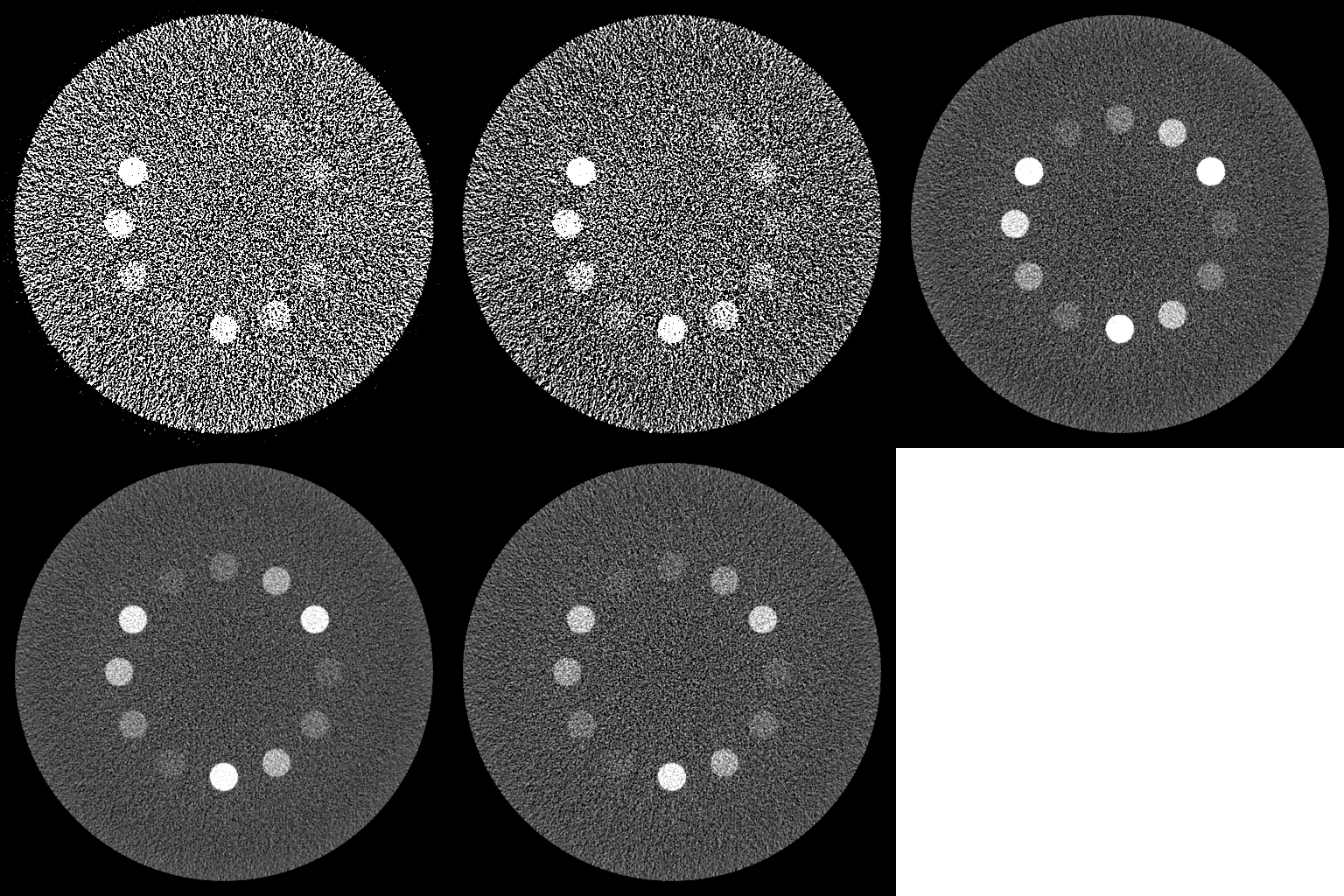
(30-cm cylindrical phantom)
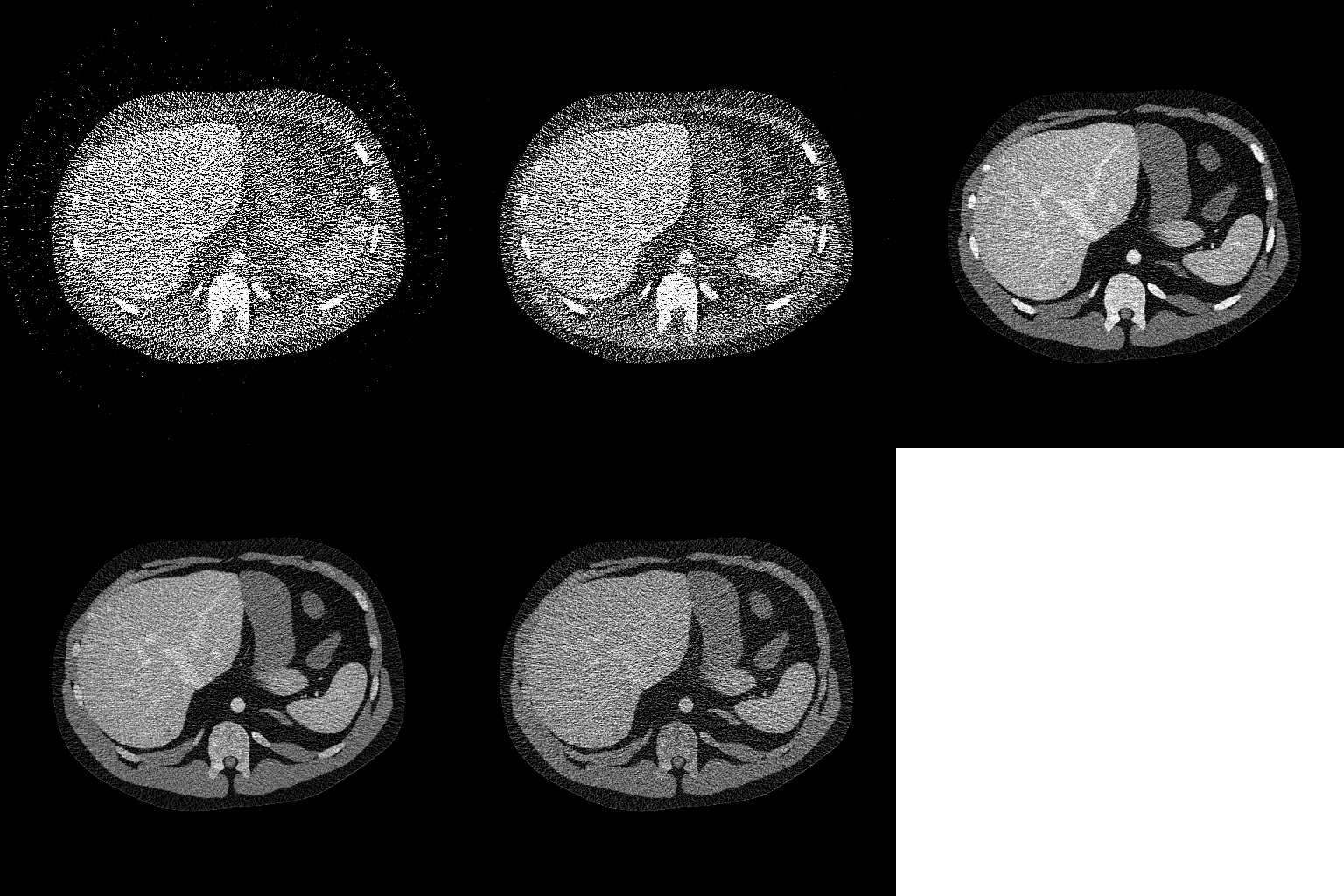
(digital human)
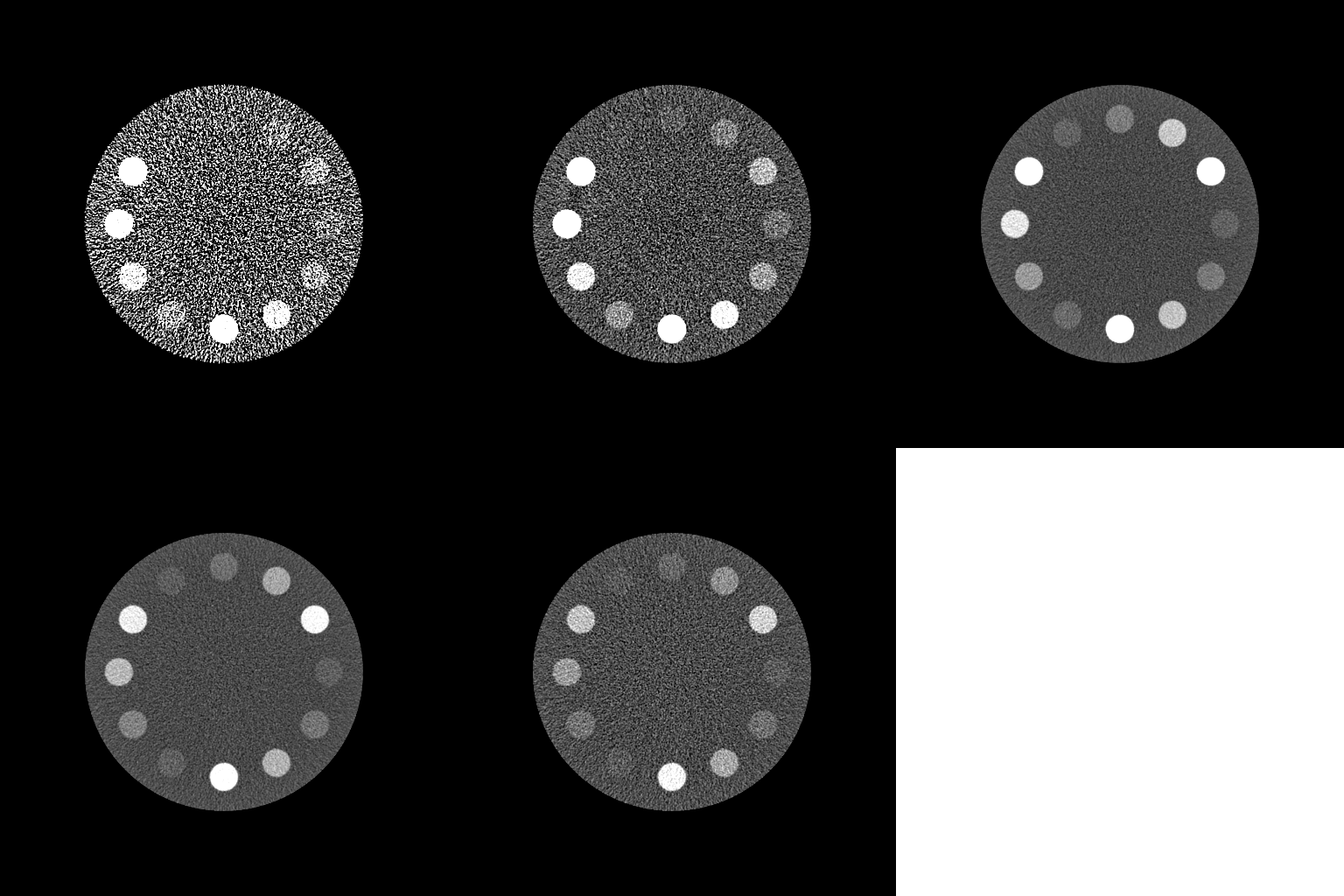
(20-cm cylindrical phantom)
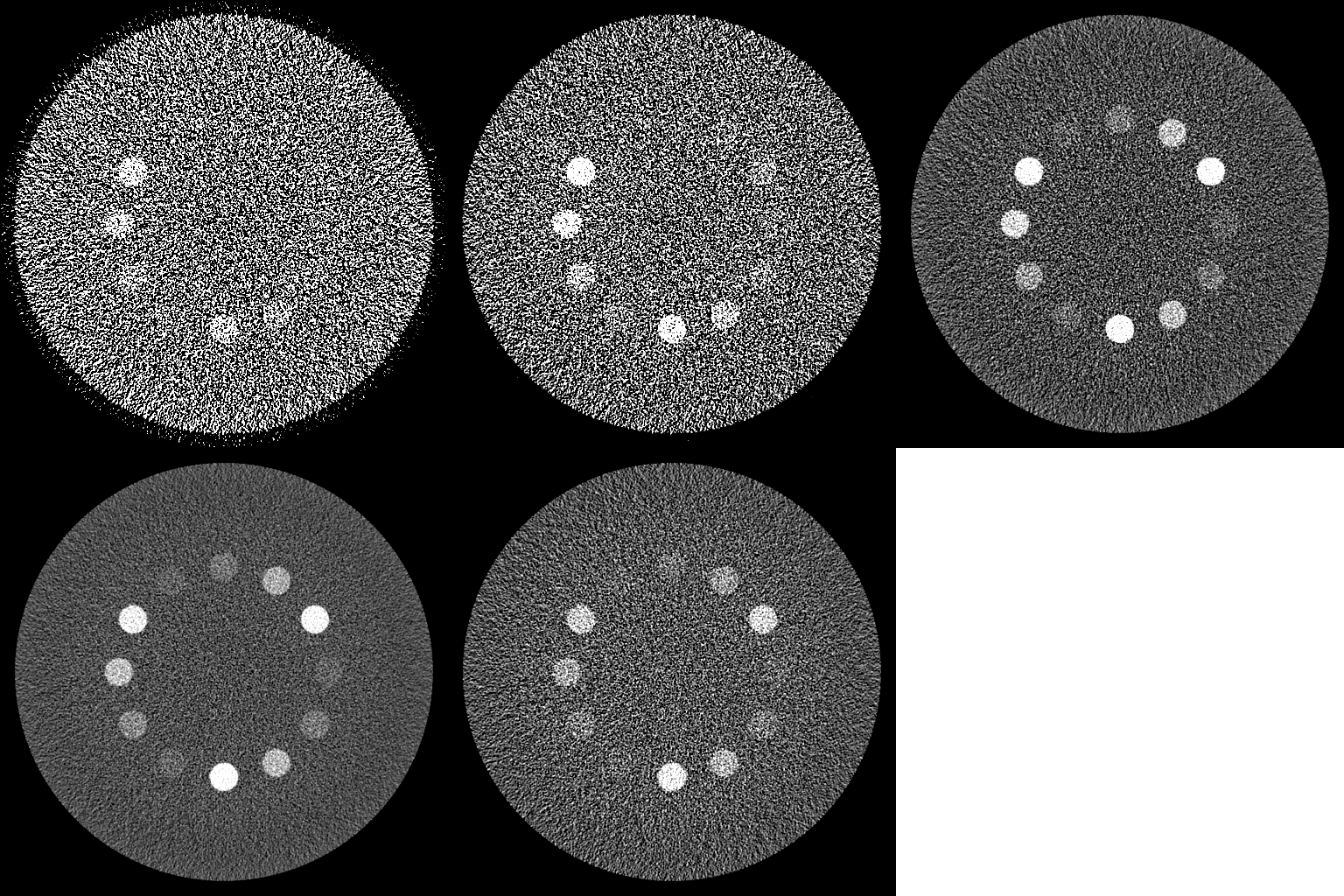
(30-cm cylindrical phantom)
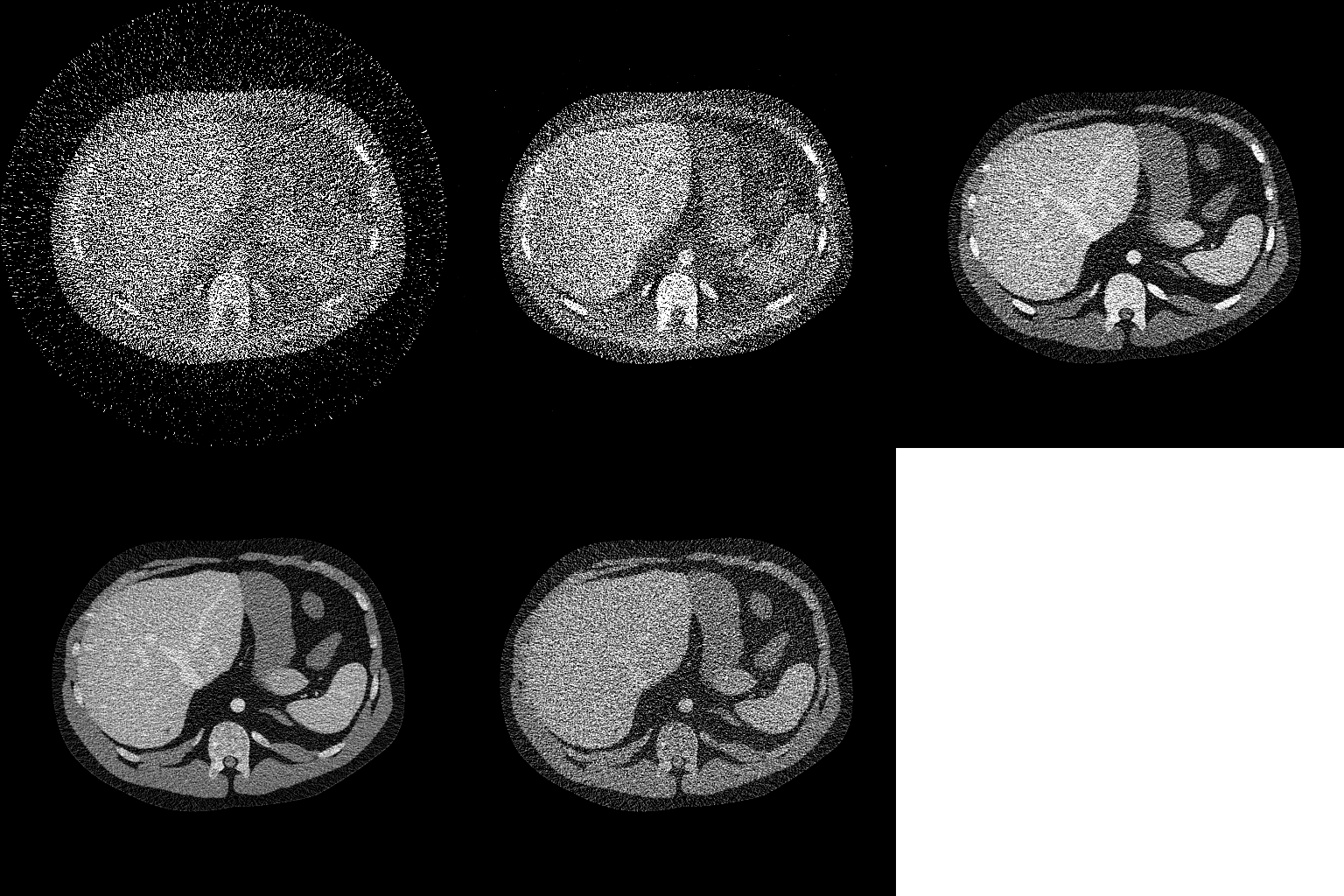
(digital human)
Deep Learning-based Mono-Energetic Images

(20-cm cylindrical phantom)

(30-cm cylindrical phantom)
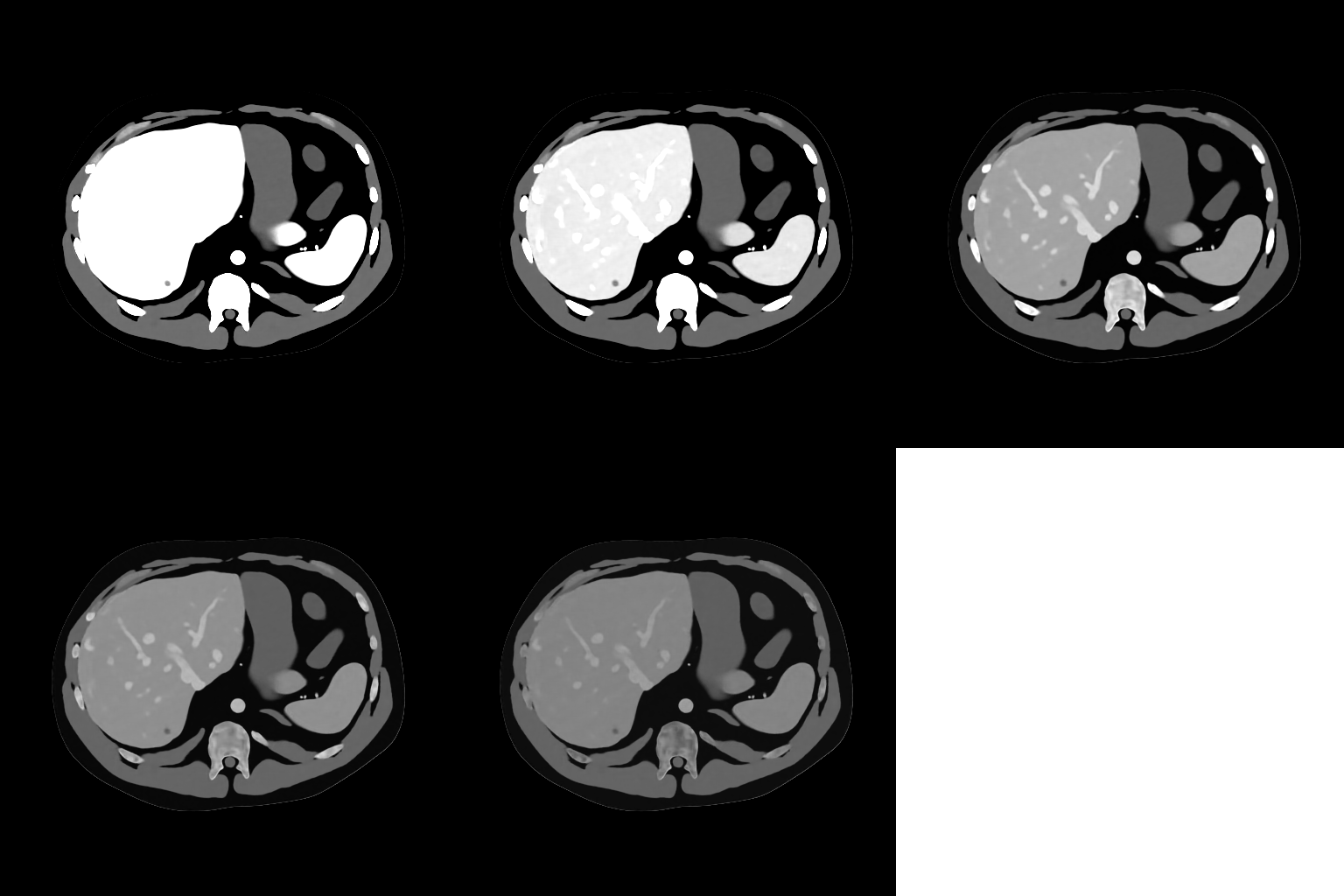
(digital human)

(20-cm cylindrical phantom)

(30-cm cylindrical phantom)
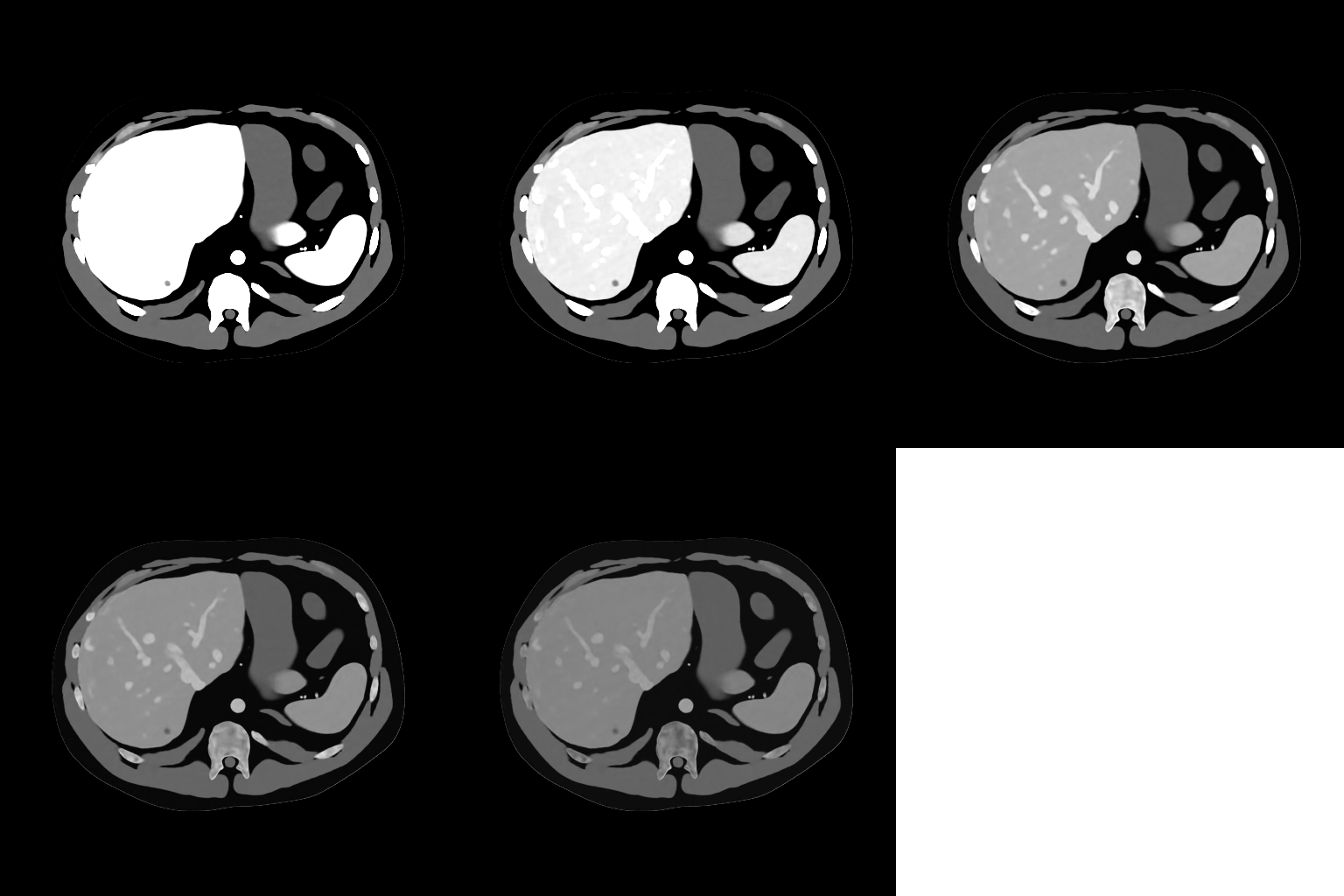
(digital human)

(20-cm cylindrical phantom)

(30-cm cylindrical phantom)
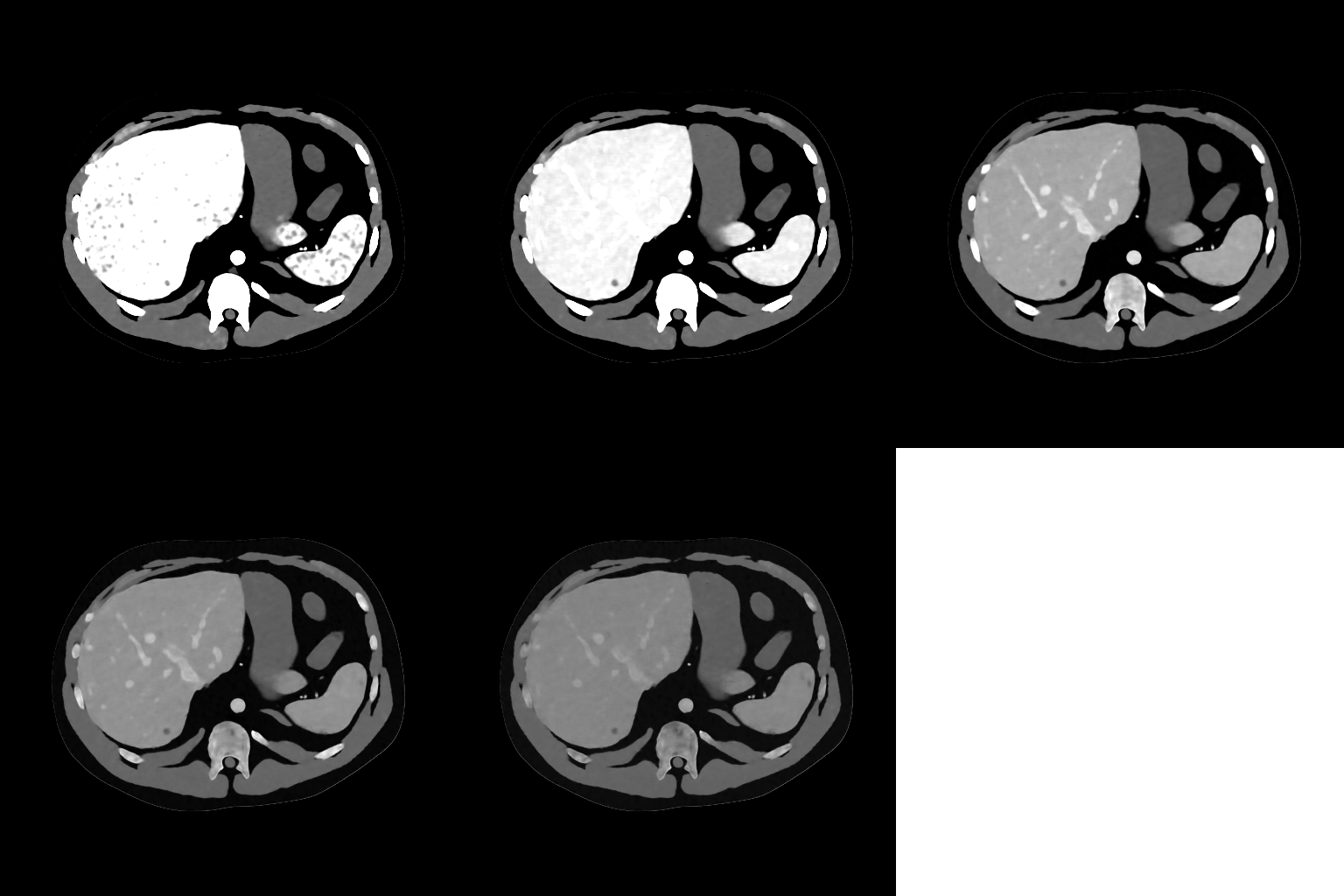
(digital human)
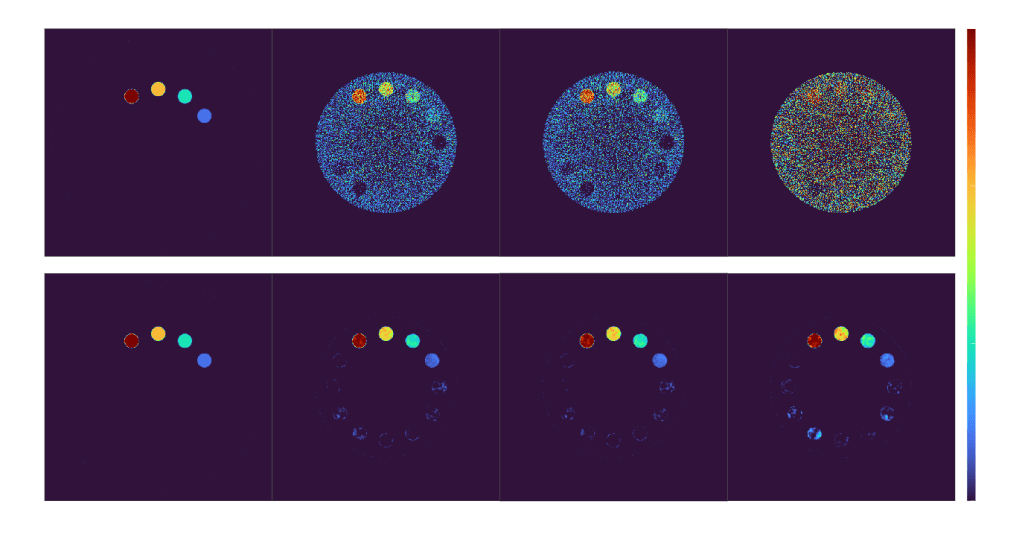
Iodine Maps Generated Using Mono-Energetic Images
Conclusion
By integrating realistic, physics-informed in silico simulations with a conditional U-Net architecture, the model learns spectral-spatial relationships that allow accurate and continuous mono-energetic image synthesis across energy levels. DL-synthesized mono-energetic images show strong quantitative agreement and structural fidelity with ground-truth data, maintaining inter- and intra-scanner consistencies.
This study establishes the feasibility of using AI-based approaches, acquainted with in silico imaging frameworks that provide ground-truth mapped datasets otherwise impractical experimentally, for cross- scanner spectral harmonization – enabling standardized, scanner-agnostic imaging to facilitate quantitative CT.


